


What Is A Carbon Baseline?
Starting your carbon reporting journey can feel like a big task, especially if you're unsure where to begin.
Before businesses can reduce their emissions, they first need to understand their current impact. This is where a carbon baseline comes in.
A carbon baseline provides a starting point for measuring your emissions, helping you understand where you are today and track progress as you make changes over time.
Whether you're beginning carbon reporting for the first time or looking to improve your existing sustainability strategy, having a clear baseline can make the process much easier.
In this guide, we'll explain what a carbon baseline is, why it's important and how it can help your business take meaningful steps towards reducing emissions.
A carbon baseline is a measurement of your organisation's greenhouse gas emissions during a specific period of time.
This measurement creates a starting point that you can use to compare future emissions against.
For example, a business might measure its carbon footprint in 2026 and find that it produces 500 tonnes of CO₂e per year. This becomes its carbon baseline.
In future years, the business can compare its emissions against this original figure to understand whether its carbon footprint is increasing, staying the same or reducing.
Think of it as a starting line. Before you can track how far you've travelled, you need to know where your journey began.
Why Is A Carbon Baseline Important?
A carbon baseline helps businesses move from simply understanding their emissions to actively managing them.
Without a baseline, it can be difficult to know whether sustainability efforts are making a real difference.
By creating a starting point, businesses can:
Understand their current environmental impact
Identify the biggest sources of emissions
Set realistic reduction goals
Track improvements over time
Make better sustainability decisions
For example, if a business discovers that most of its emissions come from employee travel or its supply chain, it can focus its efforts on these areas first.
How Do Businesses Create A Carbon Baseline?
Creating a carbon baseline starts with collecting information about your organisation's activities and emissions.
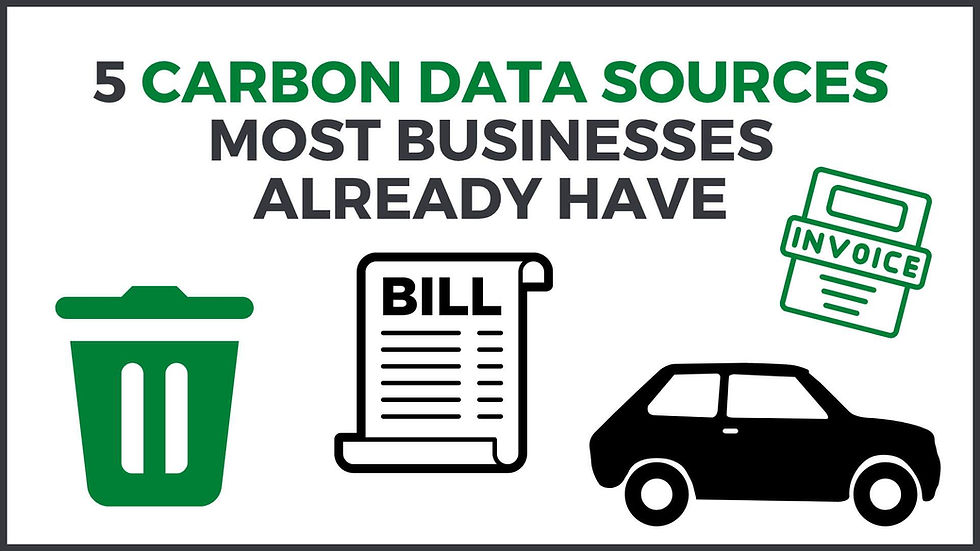
The exact data needed will depend on your business, but it may include:
Energy usage from buildings and facilities
Business travel information
Employee commuting data
Waste and recycling information
Purchased goods and services
Supplier emissions
This information is then used to calculate your total carbon footprint for a chosen reporting period.
Many businesses choose to use a full calendar year as their baseline period, but the most important thing is selecting a timeframe that provides a useful comparison for the future.
What Year Should Be Your Carbon Baseline?
Your carbon baseline year is the point you measure your emissions against.
There isn't one specific year that works for every business. Many organisations choose the first year where they have enough reliable data to create an accurate picture of their emissions.
For example:
A business begins collecting carbon data in 2026. After gathering information about energy, travel, waste and suppliers, it creates its first carbon footprint calculation.
2026 then becomes its baseline year.
Moving forward, the business can compare future emissions against its 2026 results to see what progress has been made.
Can You Create A Carbon Baseline Without Perfect Data?
One of the biggest concerns businesses have when starting carbon reporting is not having all the information they need.
The good news is that you don't need perfect data to begin.
Many organisations start with estimated figures and improve their data collection over time. This is a common part of the carbon reporting journey.
Starting with the information you already have allows you to create an initial baseline, identify gaps and understand where improvements can be made.
As your reporting process develops, you can replace estimates with more detailed data for increasingly accurate results.
How Does A Carbon Baseline Help With Emission Reductions?
Once you understand your starting point, it becomes much easier to plan your next steps.
Your carbon baseline can help you identify:
Where your biggest emissions come from
Understanding your main emission sources allows you to focus your time and resources where they can have the biggest impact.
Whether your actions are working
Regular carbon reporting allows you to compare results over time and see whether your sustainability initiatives are reducing emissions.
Where improvements are needed
If certain areas are not improving, your baseline can highlight where more action may be required.
Reducing emissions is an ongoing process, and your carbon baseline provides the information needed to make informed decisions.
Carbon Baseline FAQs
Is a carbon baseline the same as a carbon footprint?
Not exactly. A carbon footprint measures the total greenhouse gas emissions produced by a business, while a carbon baseline is the starting point used to compare future carbon footprints against.
Do small businesses need a carbon baseline?
A carbon baseline can be useful for businesses of all sizes. It helps organisations understand their current emissions and track progress, even if they are just beginning their sustainability journey.
How often should a carbon baseline be updated?
Your original baseline usually stays the same so you can measure progress against it. However, businesses should continue calculating their carbon footprint regularly to understand how emissions are changing.
Can a carbon baseline include Scope 1, 2 and 3 emissions?
Yes. A carbon baseline can include emissions across Scope 1, Scope 2 and Scope 3, depending on the data a business collects and the level of reporting it wants to achieve.
Start Your Carbon Reporting Journey With Scope
Creating a carbon baseline is an important first step towards understanding and reducing your organisation's emissions.
While it can feel overwhelming at first, you don't need to have every piece of data available before you begin. Starting with the information you have today allows you to build a clearer picture of your impact and improve your reporting over time.
With the right carbon tracking software, businesses can bring their emissions data together, monitor progress and create clearer reports without relying on complicated spreadsheets.
Scope Carbon Tracking Solutions helps businesses simplify carbon reporting by making it easier to collect, manage and understand emissions data.
Ready to create a clearer picture of your carbon footprint? Get in touch with our team to discover how Scope can support your sustainability goals.


Comments